
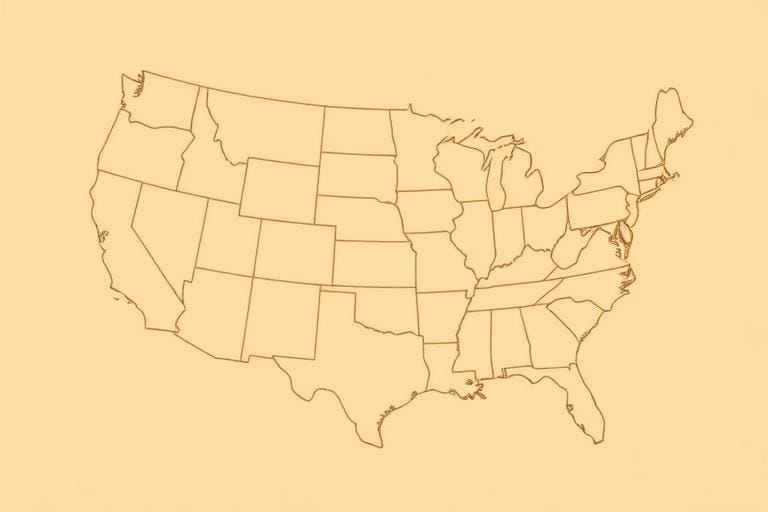

California sits in the U.S. West freight market. Reefer (Central Valley produce) and intermodal (LA/LB ports → inland) dominate. CARB emissions rules mean newer-model trucks only for many lanes.
- Definition
- California trucking market — Reefer (Central Valley produce) and intermodal (LA/LB ports → inland) dominate. CARB emissions rules mean newer-model trucks only for many lanes.
- Ports
- LA, Long Beach, Oakland
- Top freight cities
- Los Angeles, Stockton, Fresno, Sacramento
- Regulatory note
- CARB clean-truck rules apply to most drayage
Freight overview
Reefer (Central Valley produce) and intermodal (LA/LB ports → inland) dominate. CARB emissions rules mean newer-model trucks only for many lanes.
Authority & compliance
California-based motor carriers need active MC and USDOT authority, BOC-3 process agent, UCR, IFTA (if interstate over 26,000 lbs), IRP apportioned plates, and minimum $750K–$1M primary liability insurance.
Permits & local rules
Heavy or oversize loads moving through California require state permits in addition to FMCSA authority. Some metros (notably West Coast) layer emissions rules.
Seasonal demand
Produce, wildfire detours, and mountain-pass closures shape West Coast lanes.
Frequently asked questions
Do you dispatch trucks in California?
Yes — Bonafide dispatches owner-operators and fleets across California and all 50 states.
What freight is strongest in California?
Reefer (Central Valley produce) and intermodal (LA/LB ports → inland) dominate. CARB emissions rules mean newer-model trucks only for many lanes.
What permits do I need to run in California?
Heavy or oversize loads moving through California require state permits in addition to FMCSA authority. Some metros (notably West Coast) layer emissions rules.