
Texas Truck Dispatch Services for Owner-Operators and Carriers
Request a Custom Quote
Partner with an expert dispatcher and start booking premium Southern freight today.
Texas is one of the most important freight markets in the United States, with major interstate corridors, international trade gateways, manufacturing centers, energy activity, agricultural production, and large distribution markets. For owner-operators and small fleets, managing freight across such a large operating area can involve more than simply finding the next load.
Bonafide Trucking Solutions provides truck dispatch support for owner-operators, independent truckers, small fleets, and carrier businesses. Its dispatch service covers equipment such as dry vans, reefers, flatbeds, hotshots, box trucks, power-only trucks, step decks, lowboys, and car haulers.
The purpose of truck dispatch is to help carriers coordinate freight-related work such as finding loads, communicating with brokers, negotiating load details, and organizing information around pickups and deliveries. The exact responsibilities depend on the dispatch arrangement between the carrier and dispatcher.
Looking for truck dispatch support in Texas? Contact Bonafide Trucking Solutions at (312) 489-8956 or dispatch@bonafidetruckingsolutions.com.
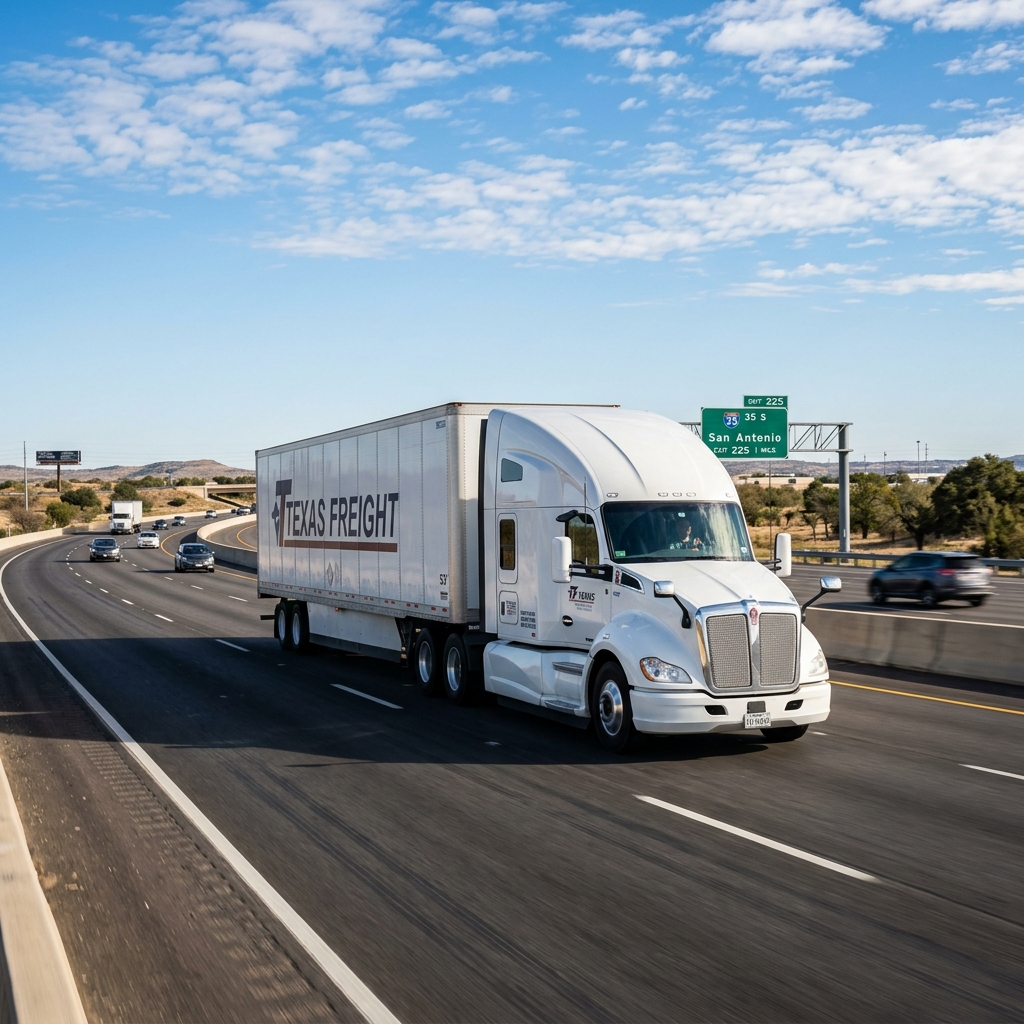
Truck Dispatch Support for Texas Carriers
A truck dispatcher generally works on behalf of a carrier to help manage freight-related tasks. Depending on the arrangement, dispatch work can include searching for suitable freight, communicating with brokers, discussing load terms, coordinating pickup and delivery information, and handling related paperwork or communication.
For a Texas carrier, the value of dispatch support is not simply finding a load. Texas covers a large geographic area and connects major domestic freight markets with international trade gateways. A carrier may need to consider equipment requirements, destination preferences, appointment schedules, operating regions, and the next available freight opportunity when evaluating a load.
A dispatcher can help organize that process so the carrier can spend more time focused on operating the truck.
What a truck dispatcher can help coordinate
- 1.Freight search: Identifying loads that fit the carrier's equipment and operating preferences.
- 2.Load evaluation: Reviewing basic information such as origin, destination, pickup requirements, delivery requirements, weight, and equipment.
- 3.Broker communication: Communicating with freight brokers about available loads and load details.
- 4.Rate discussions: Negotiating load terms where appropriate.
- 5.Pickup and delivery coordination: Organizing relevant load information and communicating changes.
- 6.Documentation: Helping coordinate dispatch-related paperwork where included in the service arrangement.
- 7.Ongoing communication: Keeping freight information organized while a load is being handled.
The carrier remains responsible for operating the vehicle safely and complying with applicable laws and requirements.
Truck Dispatch Services for Different Equipment Types
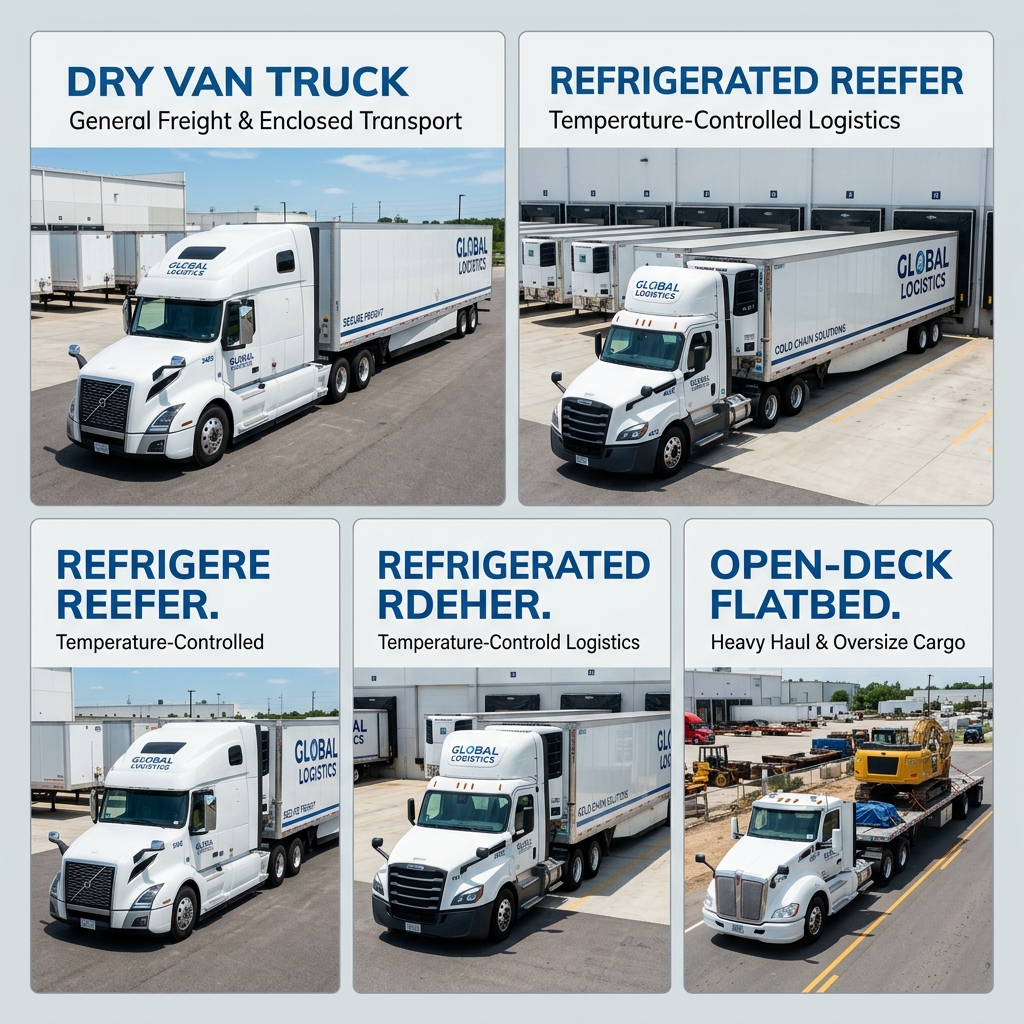
Different equipment requires different freight considerations. A load that works for a dry van may not be appropriate for a flatbed, reefer, hotshot, or specialized trailer. Bonafide Trucking Solutions' known service topics include the following equipment categories:
| Equipment | Common freight context | Important considerations |
|---|---|---|
| Dry van | General enclosed freight, including specialized dry van dispatch services. | Weight, dimensions, pickup and delivery requirements. |
| Reefer | Temperature-controlled logistics, keeping reefer freight in Texas cold. | Temperature requirements, appointments, commodity requirements. |
| Flatbed | Industrial, construction, and other open-deck cargo, including flatbed and hotshot dispatch. | Dimensions, securement, loading requirements. |
| Hotshot | Smaller or regional freight movements. | Truck/trailer capacity, dimensions, weight. |
| Box truck | Enclosed freight that does not require a full-size tractor-trailer. | Cargo dimensions, payload, access requirements. |
| Power only | Freight requiring a tractor to move an existing trailer. | Tractor compatibility and trailer requirements. |
| Step deck | Freight requiring additional vertical clearance. | Height, dimensions, securement. |
| Lowboy | Heavy equipment and specialized freight. | Equipment specifications, dimensions, weight, regulatory requirements. |
| Car hauler | Vehicle transportation. | Vehicle dimensions, capacity, loading and securement. |
Equipment coverage should always be confirmed for the specific carrier and freight requirement before a load is accepted.
Why Texas Freight Requires Flexible Planning
Texas is not a single freight market. It contains multiple major metropolitan areas, international gateways, industrial regions, agricultural areas, energy-producing regions, and distribution centers.
The Texas Department of Transportation says the state's freight system supports the movement of goods through highways, railroads, ports, waterways, airports, and other transportation infrastructure. TxDOT is also currently developing the 2027 Texas Freight Mobility Plan, which examines current and future freight needs, critical supply chains, freight operations, and international trade.
For a carrier, that geographic diversity means a load should be evaluated in the context of the entire trip rather than only its origin. Learn more about evaluating loads with our owner-operator dispatch service.
Questions worth considering include:
- ✔ Does the destination fit the carrier's preferred operating area?
- ✔ Is the equipment appropriate for the freight?
- ✔ Are pickup and delivery times workable?
- ✔ Does the destination provide reasonable opportunities for the next load?
- ✔ Are there route, weight, height, or equipment considerations?
- ✔ Will the trip require planning around truck parking?
- ✔ Does the load fit the carrier's normal operating pattern?
Major Texas Freight Corridors and Logistics Hubs
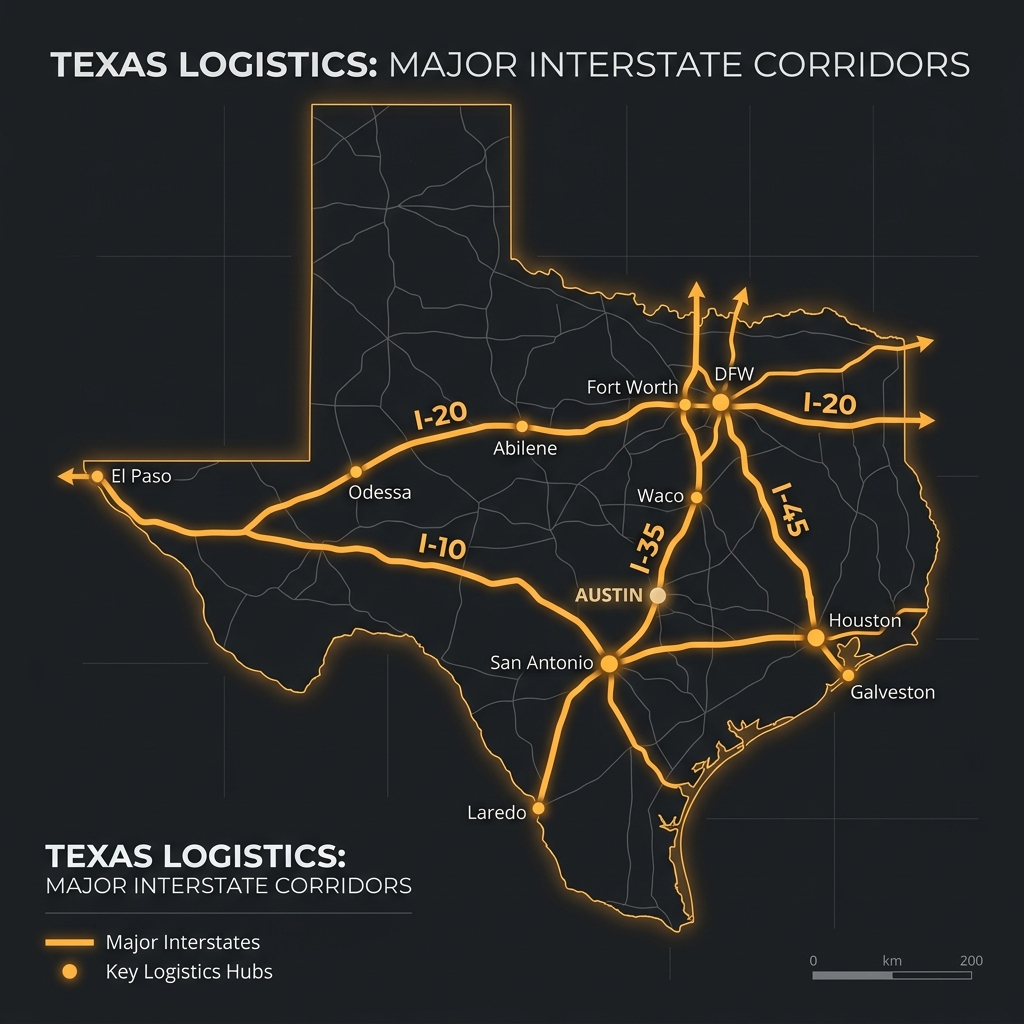
Texas's freight system includes key corridors that connect the state's manufacturing, agricultural, and international trade gateways.
I-35 and North-South Freight
I-35 is a major north-south corridor running through Texas and connecting the Mexican border region with major Texas markets including San Antonio, Austin, and Dallas-Fort Worth. TxDOT's connected-freight-corridor work includes I-35, including its extension toward Laredo, as part of a larger Texas Triangle network.
I-10 and East-West Connectivity
I-10 provides major east-west connectivity across Texas and links the state's freight system with markets extending beyond the state. Texas's location also makes it an important gateway for North American trade. TxDOT describes Texas as a crossroads for trade between the United States, Mexico, and Canada.
I-20 Across Texas
I-20 is another important east-west route. TxDOT's current I-20 corridor study covers approximately 635 miles from the I-10 junction in Reeves County to the Texas-Louisiana state line. The corridor connects West Texas with major population and freight centers farther east.
I-45 and the Texas Triangle
I-45 connects the Houston area with North Texas. TxDOT's Texas Connected Freight Corridors project covers an 865-mile network involving I-35, I-45, and I-10, connecting Dallas-Fort Worth, Houston, Austin, and San Antonio. The Texas Triangle Multimodal Strategic Plan highlights this major economic megaregion.
Texas Freight Industries and Markets
Texas carriers encounter freight connected to a broad range of industries:
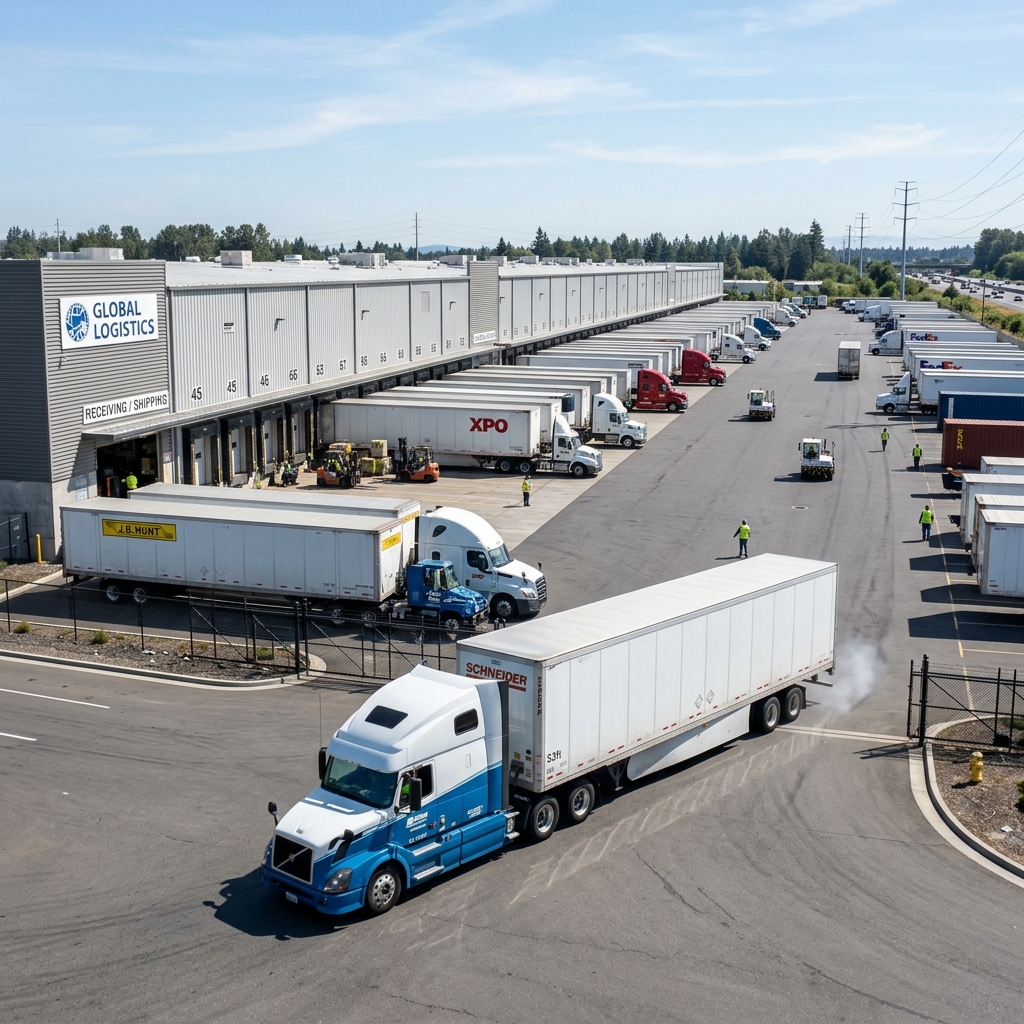
Energy and petroleum
Freight activity associated with petroleum, natural gas, petrochemicals, equipment, industrial materials, and supply chains.
Manufacturing
Includes transportation equipment, electronics, machinery, chemicals, fabricated products, and industrial production.
Agriculture
Generates freight involving crops, livestock, food products, agricultural inputs, and related equipment.
Construction & Materials
Creates demand for transportation of machinery, building materials, and other project-related freight.
Warehousing & Distribution
Large population centers support major warehousing and distribution activity throughout the state.
International trade
Mexico is Texas's largest trading partner; Texas has more border crossings than any other U.S. state.
Freight availability depends on equipment, location, timing, shipper requirements, broker relationships, and current market conditions.
What Should You Consider Before Choosing a Truck Dispatcher?
Choosing a dispatcher is a business decision. Before agreeing to a dispatch arrangement, an owner-operator or carrier should understand exactly what the dispatcher will and will not handle.
Ask which parts of the freight process the dispatcher handles. “Dispatch” can cover different responsibilities depending on the agreement. Compare choices in our guide on Bonafide vs. self-dispatching.
The carrier should understand how load approval works and whether the carrier retains control over which freight it accepts.
A dry van, reefer, flatbed, hotshot, power-only truck, and specialized trailer have different freight requirements. Equipment knowledge matters when evaluating loads.
Understand who communicates with brokers and how rate and load terms are discussed before acceptance.
Before entering any dispatch arrangement, ask for the actual fee structure and payment terms in writing. Bonafide-specific pricing is transparent and quoted on consultation, with no contracts. You can research standard rates on our dispatch pricing page.
The dispatcher may need information about the carrier, equipment, operating preferences, and available truck. Exact Bonafide onboarding requirements should be confirmed directly rather than assumed.
A responsible freight discussion should distinguish between current market conditions and guaranteed outcomes. Rates, load availability, fuel costs, and freight demand can change.
Truck Dispatcher vs. Freight Broker
A truck dispatcher and a freight broker are not automatically the same thing. A dispatcher generally works on behalf of a motor carrier to assist with the carrier's freight-related activities. A broker, by contrast, arranges transportation between shippers and motor carriers.
The Federal Motor Carrier Safety Administration issued final guidance in 2023 clarifying the definitions of broker and bona fide agent, including circumstances in which activities can require broker authority. The important point for a carrier is to understand the actual role being performed and the business arrangement involved.
Bonafide's specific legal classification or regulatory status should not be inferred from this general explanation. Carriers with questions about whether a particular arrangement requires broker authority should consult the applicable FMCSA guidance or qualified legal/regulatory counsel.
Texas Carrier Requirements Can Change
Texas carriers should use current regulatory sources when checking registration and credentialing requirements rather than relying on an old blog post. Review Texas Department of Motor Vehicles (TxDMV) carrier requirements for detailed oversight.
The Texas Department of Motor Vehicles currently operates the Texas Motor Carrier Credentialing System, or TxMCCS. TxDMV states that the modernized system launched on August 3, 2026, replacing the previous MCCS and eLINC systems.
Texas also has requirements that apply to certain intrastate commercial motor carriers. The specific requirements depend on the carrier's operation, vehicle, cargo, and operating circumstances. Because regulatory requirements can change, carriers should verify current requirements directly through TxDMV and FMCSA before relying on information found online.
Truck Parking Is Part of Freight Planning
Finding freight is only one part of running a truck. Parking can also affect trip planning, particularly when a route involves major metropolitan areas or long distances between pickup and delivery locations. Details are outlined in statewide freight and corridor infrastructure studies.
TxDOT maintains statewide truck-parking research and a Truck Parking Availability System and has conducted regional studies, including a 2024 Houston and Southeast Texas Truck Parking study.
For carriers, practical trip planning should consider expected arrival time, appointment windows, available legal parking, route conditions, traffic, delivery requirements, and hours-of-service considerations. Parking availability can change, so current parking information should be checked when planning an actual trip.
How Texas Carriers Can Approach Dispatch Support
A useful dispatch relationship starts with a clear understanding of the carrier's operation. Before contacting a dispatcher, an owner-operator or fleet can be prepared to discuss:
- ▪ Truck and trailer type
- ▪ Preferred operating regions
- ▪ Preferred freight types
- ▪ Areas the carrier wants to avoid
- ▪ Current truck availability
- ▪ Desired level of dispatch assistance
- ▪ Questions about fees and terms
From there, the carrier can determine whether the dispatch service fits the operation. For Texas carriers, the goal should not simply be to find any available load. The better question is whether the freight fits the equipment, schedule, operating preferences, and overall trip plan.
Why Work With Bonafide Trucking Solutions?
Bonafide Trucking Solutions provides U.S. truck dispatch services for owner-operators, independent truckers, small fleets, and carrier businesses. Known dispatch service topics include:
Bonafide's geographic positioning covers dispatch support across all 48 contiguous U.S. states, allowing the service to be relevant to carriers whose operations extend beyond Texas as well. Specific equipment availability, service terms, pricing, and onboarding requirements should be confirmed directly with Bonafide before beginning service.
Ready to discuss dispatch support?
Call (312) 489-8956 or email dispatch@bonafidetruckingsolutions.com to discuss your truck, equipment, operating preferences, and dispatch needs.
Cities We Serve in Texas
Dedicated carrier representation and freight dispatch across Texas's key manufacturing centers, intermodal ramps, and marine container ports.
Dedicated Houston truck dispatch for dry van, flatbed, and tanker owner-operators. Port Houston drayage, Ship Channel petrochemicals, and heavy-haulPermian corridors.
Dedicated truck dispatch in Dallas and Fort Worth. Intermodal rail ramp coordination, Alliance Texas mega-warehousing, and Midwest-to-South corridor management.
Dedicated truck dispatch across the San Antonio and Laredo border corridor. Cross-border drayage transfer coordination, I-35 NAFTA/USMCA freight, and automotive linehaul.
Texas Truck Dispatch FAQ
Get answers to the most common questions regarding truck dispatch and logistics operations in Texas.
What does a truck dispatcher do for an owner-operator?
A truck dispatcher generally helps an owner-operator with freight-related tasks such as finding loads, communicating with brokers, discussing load terms, coordinating pickup and delivery information, and organizing related paperwork. The exact responsibilities depend on the dispatch agreement.
Do I need a truck dispatcher to operate in Texas?
No. A carrier does not generally need to use a private truck dispatcher simply because it operates in Texas. A carrier can manage its own freight search and negotiations or choose to use dispatch support as a business service. Texas carriers still need to comply with applicable federal and state requirements. Current requirements should be verified through FMCSA and TxDMV.
What types of trucks can a dispatch service support?
Dispatch services may support different equipment categories depending on the provider and the specific arrangement. Bonafide's known service topics include dry van, reefer, flatbed, hotshot, box truck, power-only, step deck, lowboy, and car hauler.
How is a truck dispatcher different from a freight broker?
A dispatcher generally works on behalf of a carrier, while a freight broker arranges transportation between shippers and motor carriers. FMCSA provides guidance on broker and bona fide-agent definitions and the circumstances in which broker authority can apply.
Can I choose which loads to accept?
Load acceptance depends on the carrier-dispatcher arrangement, but carriers should clearly understand who has authority to approve or reject freight before entering an agreement.
What should I consider when choosing a truck dispatcher?
Consider the equipment the dispatcher understands, the services included, communication practices, load-selection process, fee structure, contract terms, and the level of control the carrier retains over its freight decisions.
How much does truck dispatch service cost in Texas?
6–10% of gross, quoted on your free consultation. No setup fees. You pay only on loads we book.
Does Bonafide require contracts?
No contracts. You pay only on loads we book.
Last updated . Sourced from FMCSA, TxDMV, TxDOT, and DAT spot market rate metrics.