
Truck Dispatch Services New Jersey: Maximize Earnings Near Port Newark & Major Corridors
Keep your wheels turning and your revenue growing with dedicated New Jersey truck dispatch. We secure high-paying loads, negotiate top rates, handle paperwork, and keep you compliant.
New Jersey ranks among the highest-volume freight states on the East Coast. Home to Port Newark-Elizabeth—the largest container port on the Atlantic seaboard—and a dense network of warehouses, manufacturing facilities, and distribution centers, the Garden State offers consistent freight opportunities for owner-operators and small fleets. High tolls, limited truck parking, strict routing rules, and intense competition also create real challenges.
Bonafide Trucking Solutions provides specialized Truck Dispatch Services New Jersey that turn those challenges into higher weekly revenue. We secure profitable loads, negotiate rates, manage paperwork, plan efficient routes, and handle compliance so you can focus on driving.
Key Benefits of New Jersey Dispatch
Table of Contents
- 1. What Are Truck Dispatch Services?
- 2. How Professional Dispatching Works
- 3. Why Owner Operators Need Dispatchers
- 4. Benefits of Dedicated Dispatcher
- 5. The Complete Dispatch Process
- 6. Broker Negotiation & Rate Strategy
- 7. Route Planning & Deadhead Reduction
- 8. Paperwork, Invoicing & Payment Support
- 9. Compliance Support: FMCSA & NJDOT
- 10. New Authority Dispatch Support
- 11. Factoring, Insurance & Fuel Cards
- 12. Equipment-Specific Dispatch Services
- 13. New Jersey Freight Landscape
- 14. Major Freight Lanes & Corridors
- 15. Ports, Warehousing & Logistics Hubs
- 16. Industries Driving Freight Demand
- 17. Seasonality, Challenges & Opportunities
- 18. Why Choose Bonafide Trucking Solutions
- 19. How We Work
- 20. What Makes Us Different
- 21. Frequently Asked Questions
- 22. Key Takeaways
- 23. Conclusion & Call to Action
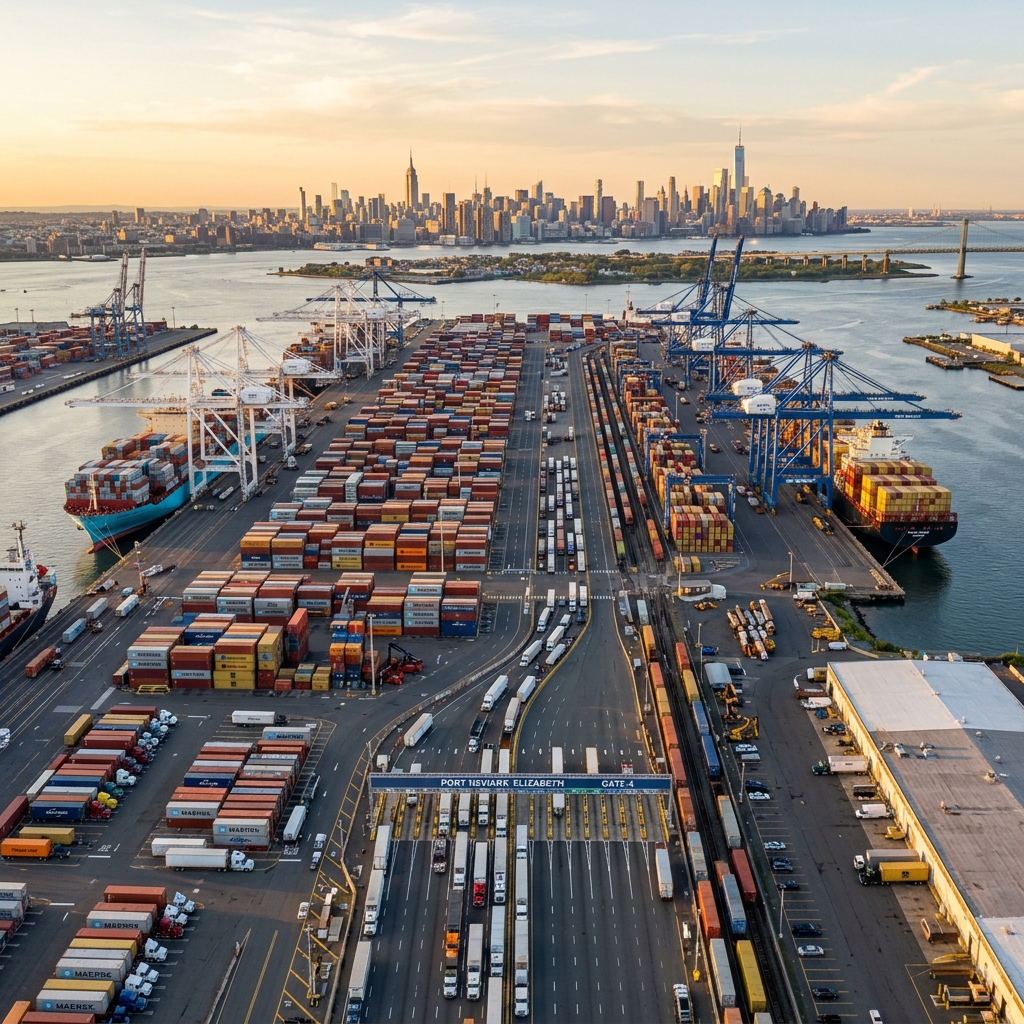
1. What Are Truck Dispatch Services?
Truck dispatch services act as the operational and sales arm of an owner-operator or small carrier business. A professional dispatcher finds loads that match your equipment, preferred lanes, and home-time needs, negotiates the rate with brokers or shippers, handles rate confirmations and carrier packets, coordinates pickup and delivery appointments, tracks progress, and manages post-delivery paperwork.
Unlike a freight broker who works primarily for the shipper, a dispatcher works exclusively for the carrier. You retain full control of your authority, insurance, and decision-making. The dispatcher earns a percentage of the load revenue or a flat weekly fee only when you move freight.
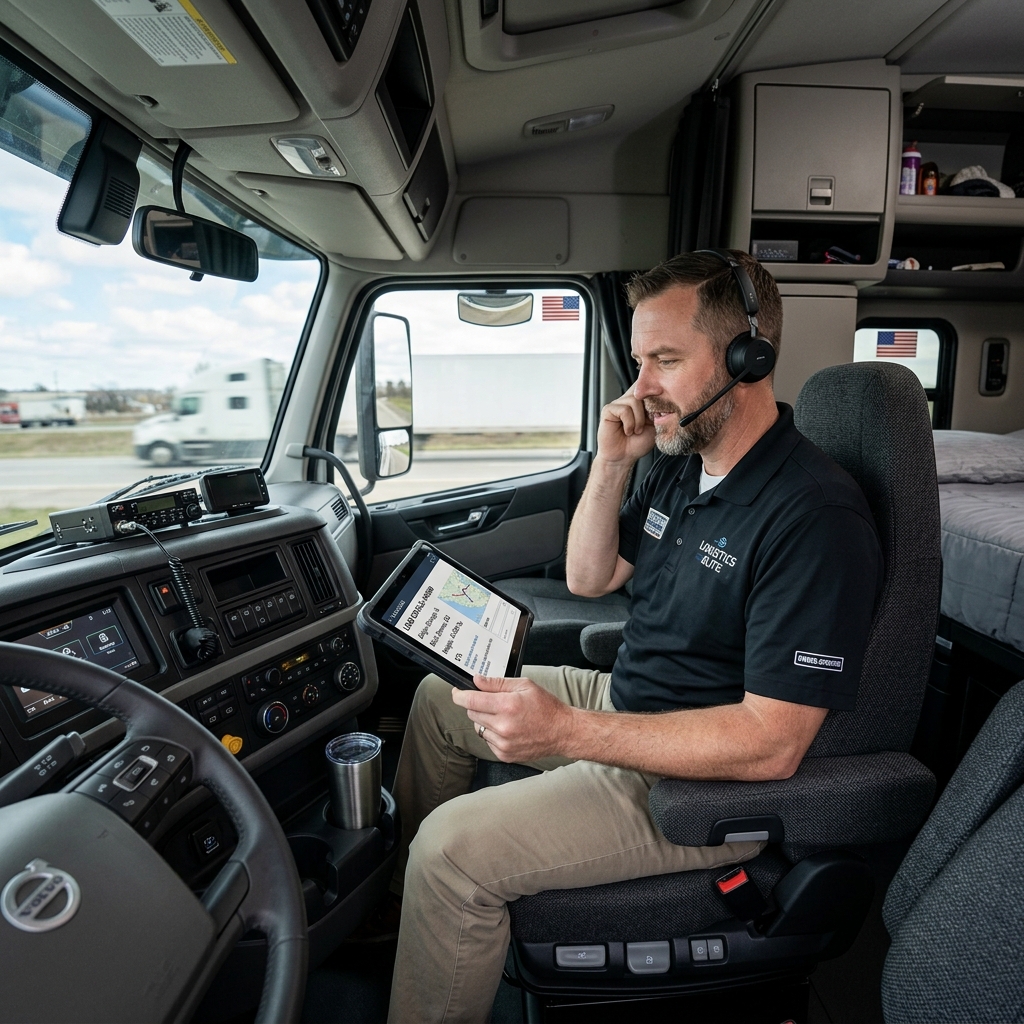
2. How Professional Dispatching Works
- Onboarding – You provide MC authority letter, insurance certificates, W-9, and preferred equipment and lane details. We complete broker packets on your behalf.
- Load sourcing – Dispatchers search premium load boards, direct shipper relationships, and private networks for matching freight.
- Rate negotiation – We push for the highest sustainable rate based on current market conditions, equipment type, and lane history.
- Booking and confirmation – Rate confirmation is reviewed for detention, layover, lumper, and accessorial language before you accept.
- Execution support – Real-time communication with brokers on ETAs, delays, or issues; appointment management; and route suggestions that account for New Jersey Turnpike tolls and truck restrictions.
- Close-out – PODs and BOLs are submitted, invoices issued or forwarded to your factoring company, and payment follow-up handled.
3. Why Owner Operators in New Jersey Need Dispatchers
- Port congestion and appointment systems at Newark and Elizabeth
- High toll costs on the New Jersey Turnpike, George Washington Bridge, and Goethals Bridge
- Severe truck parking shortages (New Jersey ranks among states with the most critical shortages)
- Strict large-truck routing rules that require use of the National Network and New Jersey Access Network
- Dense urban delivery requirements and time-sensitive retail and pharmaceutical freight
- Competition from large fleets with dedicated sales teams
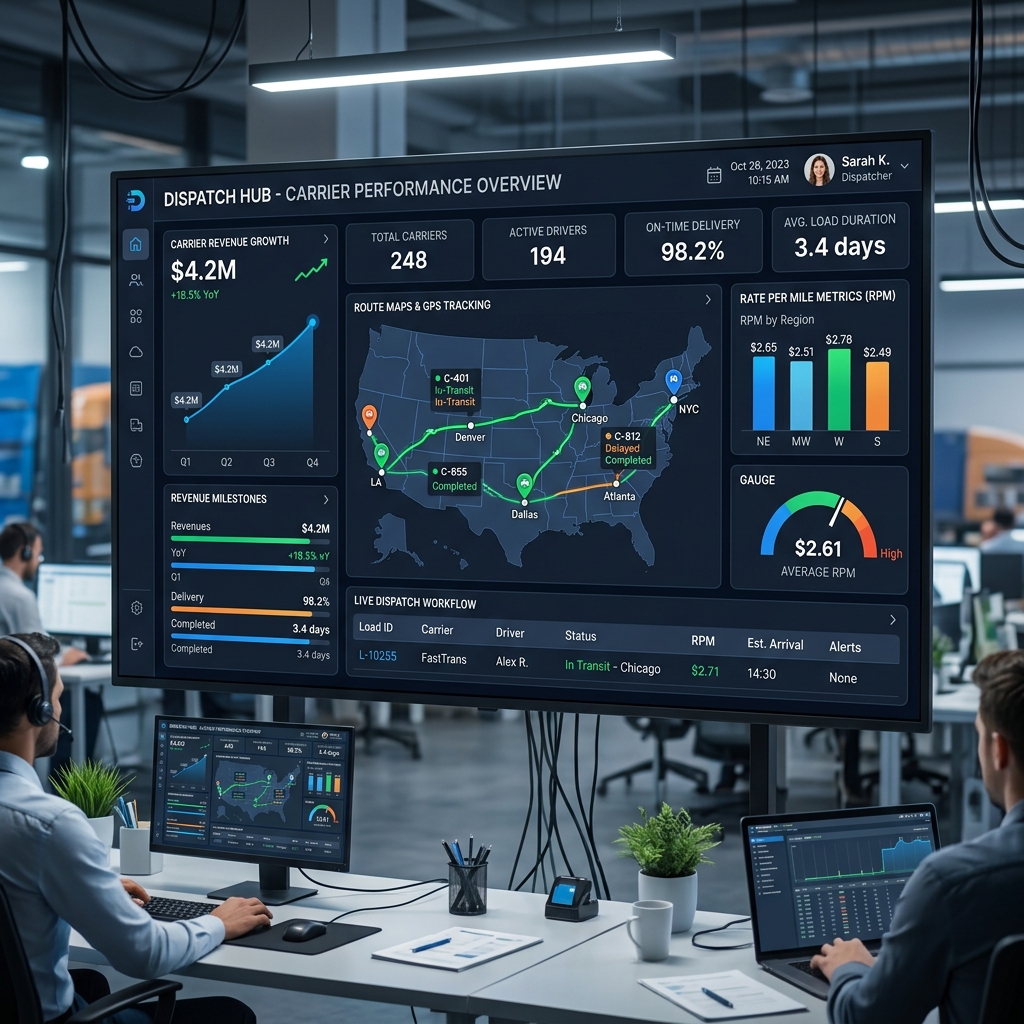
4. Benefits of Working with a Dedicated Dispatcher
| Benefit | Self-Dispatch | Professional Dispatch |
|---|---|---|
| Rate negotiation power | Limited by time | Experienced negotiators with market data |
| Deadhead percentage | Often higher | Actively minimized |
| Time spent on admin | 10–20+ hours/week | Near zero |
| Broker screening | Manual & incomplete | Systematic credit & authority checks |
| Accessorial recovery | Frequently missed | Proactive claims |
5. The Complete Dispatch Process at Bonafide
We assign each carrier a primary dispatcher who learns your equipment, fuel targets, and preferred home time. Daily communication keeps you informed. You retain 100% final approval on every load. No forced dispatch.
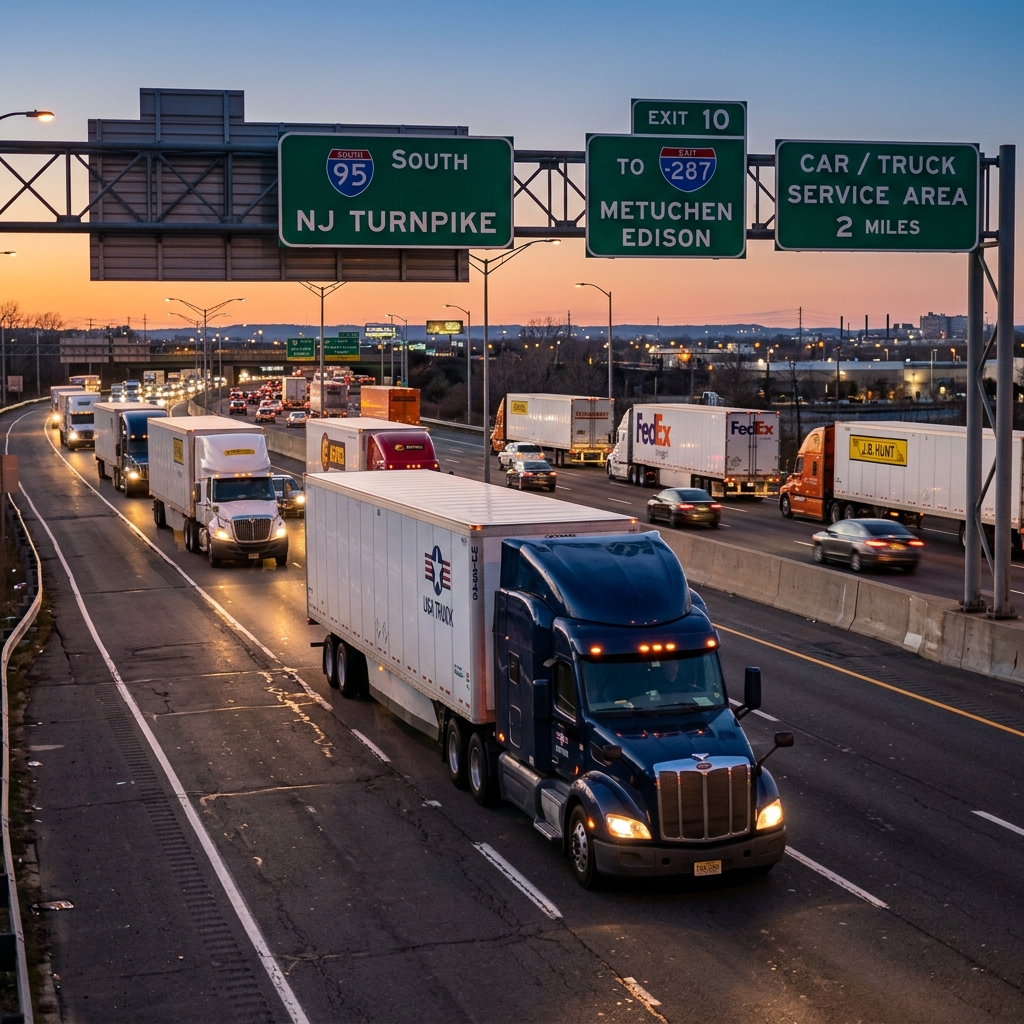
6. Broker Negotiation and Rate Strategy
Successful rate negotiation in New Jersey requires understanding port volumes, warehouse capacity, fuel prices, and seasonal demand. Our dispatchers monitor DAT, Truckstop, and private networks to secure maximum rate-con confirmations.
7. Route Planning and Deadhead Reduction
Efficient routing in New Jersey balances toll costs on the New Jersey Turnpike, truck restrictions on local parkways, congestion at Fort Lee, limited legal truck parking, and port appointment windows.
9. Compliance Support: FMCSA and NJDOT
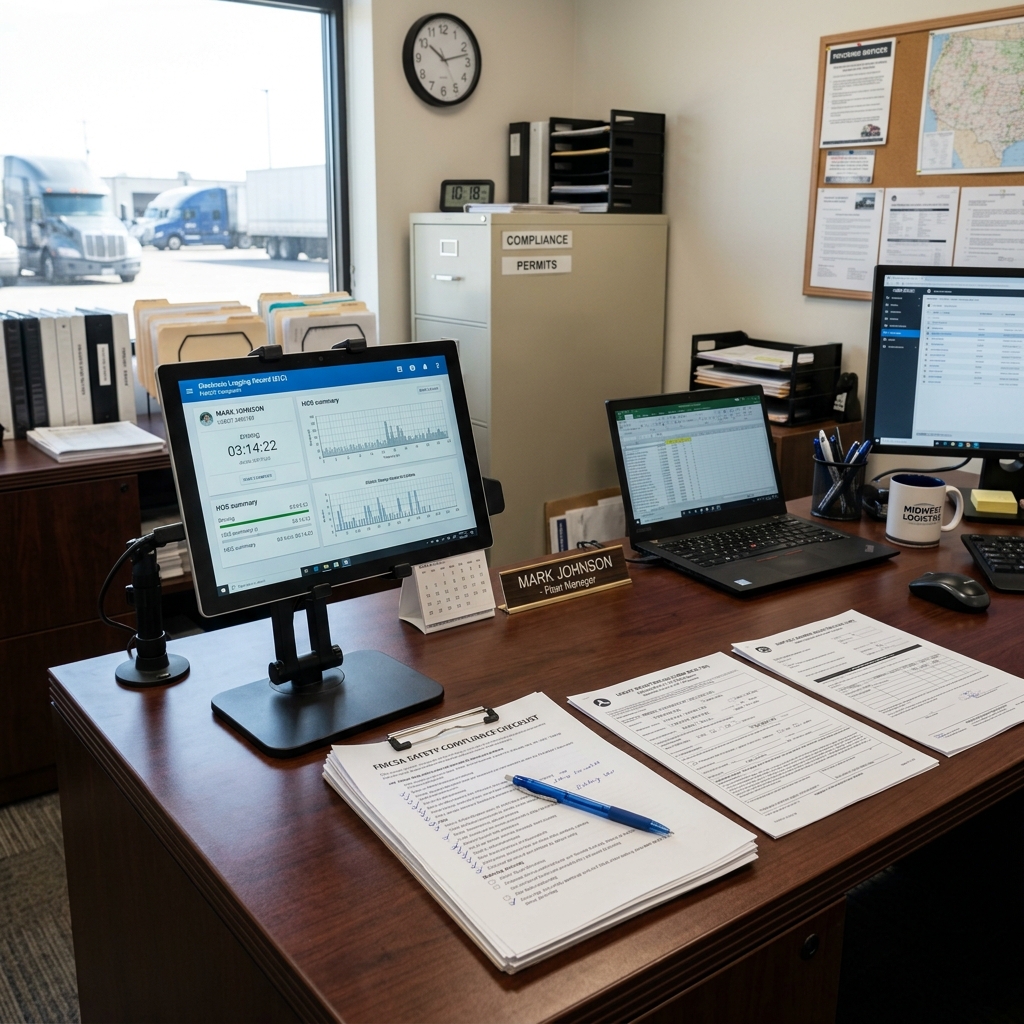
New Jersey has adopted FMCSA regulations for intrastate commercial motor vehicles 10,001+ lbs. Key requirements include USDOT vehicle markings, Hours of Service compliance, ELD mandates, and NJDOT National Network routing rules.
12. Equipment-Specific Dispatch Services
Dry vans move retail and industrial freight generated by New Jersey’s 850M+ sq ft warehouse network.
Temperature-controlled freight for NJ’s massive pharmaceutical and food distribution sectors.
Construction materials, structural steel, and machinery moving from port and industrial yards.
Time-critical expedited freight across the Tri-State area and Mid-Atlantic corridors.
21. Frequently Asked Questions
What is included in truck dispatch services in New Jersey?
Load finding, rate negotiation, broker communication, rate confirmation review, appointment coordination, paperwork handling, and ongoing support.
How much do truck dispatch services cost?
Most professional services charge a percentage of gross revenue (commonly in the 5–10% range) or a flat weekly fee. Exact structure depends on equipment and volume.
Do you work with new authority carriers?
Yes. We specialize in helping new authorities get started with compliant operations and initial freight.
What equipment types do you dispatch?
Dry van, reefer, flatbed, step deck, lowboy, hotshot, power only, box truck, straight truck, and car hauler.
Can I still choose my own loads?
Absolutely. You retain final approval on every load.
How do you handle high New Jersey tolls?
Route planning factors toll costs into the overall profitability of each load and seeks efficient alternatives when possible.
Do you help with factoring and insurance?
We provide coordination and introductions to reputable providers.
Is there a contract required?
We operate without long-term contracts so you retain flexibility.
How quickly can I start?
Most carriers can begin within 24–48 hours after providing required documents.
Do you cover local, regional, and OTR?
Yes. We match freight to your preferred length of haul and home-time needs.
What about compliance with FMCSA and NJDOT?
We provide guidance and help keep operations aligned with applicable federal and state requirements.
How do you screen brokers?
Authority status, insurance, and payment history are reviewed before loads are presented.
Can you help with detention and accessorial claims?
Yes. We actively pursue valid claims.
Do you offer 24/7 support?
Yes. Trucking operates around the clock and so do we.
What makes New Jersey different for dispatch?
Port volume, warehouse density, high tolls, parking constraints, and strict routing create both opportunity and complexity that benefit from local expertise.
Can multi-truck fleets use your service?
Yes. Support scales with fleet size.
Do you handle power-only and drop-and-hook?
Yes. Port and intermodal areas generate strong demand for these moves.
How do you reduce deadhead miles?
By focusing on sequential loads, backhauls, and local market density.
Are box trucks and hotshot supported?
Yes. Both are well-suited to New Jersey’s dense freight environment.
What documents do I need to get started?
MC authority letter, current insurance certificates, W-9, and driver contact information.
22. Key Takeaways
23. Conclusion and Call to Action
Ready to increase your loaded miles and net weekly income? Contact our New Jersey dispatch team today.
Ready to Increase Your Loaded Miles and Net Income?
Request your free dispatch consultation today or call us now to speak with a New Jersey dispatch specialist.
Get Dispatched in New Jersey
Fill out 2 quick fields to talk with a dedicated NJ dispatcher.