
Texas Truck Dispatch FAQs
If you are an owner-operator, independent trucker, or small fleet in Texas considering dispatch support, the important questions usually come down to cost, control, freight, communication, equipment, paperwork, and what the dispatcher actually handles. To skip directly to partner options, you can explore Bonafide's best dispatch service in Texas.
The answers depend on the dispatch arrangement and the carrier's operation. Before agreeing to anything, understand how loads are selected, who approves them, what the dispatcher charges, what happens with detention and paperwork, and what responsibilities remain with you as the carrier.
Request Information
Get custom rates and parameters mapped to your fleet goals.
Cost and Contracts
1. How much does a truck dispatch service cost?
There is no single standard dispatch price for Texas carriers. Dispatch companies may use different pricing structures, including a percentage-based fee, a flat fee, or a per-load arrangement. What matters is not just the advertised price but what the fee is calculated against and what services are included.
For a detailed explanation of dispatch pricing models and how to compare offers, see the Texas truck dispatch service cost guide.
2. Do dispatchers charge a percentage, flat fee, or per-load fee?
All three arrangements can be found in the dispatch market. A percentage model ties the dispatch charge to the revenue generated by a load. A flat-fee model charges an agreed amount regardless of the load's gross revenue. A per-load arrangement charges for each load handled.
There is no government-mandated "standard" dispatch percentage. The important comparison is the total cost relative to the work being provided. Two services charging different percentages may also provide different scopes of service, so comparing the percentage alone can be misleading.
3. Are setup fees or other charges common?
Additional fees vary by provider. Do not assume that a quoted dispatch percentage or flat fee represents the complete cost. Ask for the full fee structure before agreeing to service. Clarify whether there are charges for setup, cancellation, paperwork, particular equipment, after-hours communication, accessorial handling, or other services.
Loads and Carrier Control
4. Do I have to take every load my dispatcher finds?
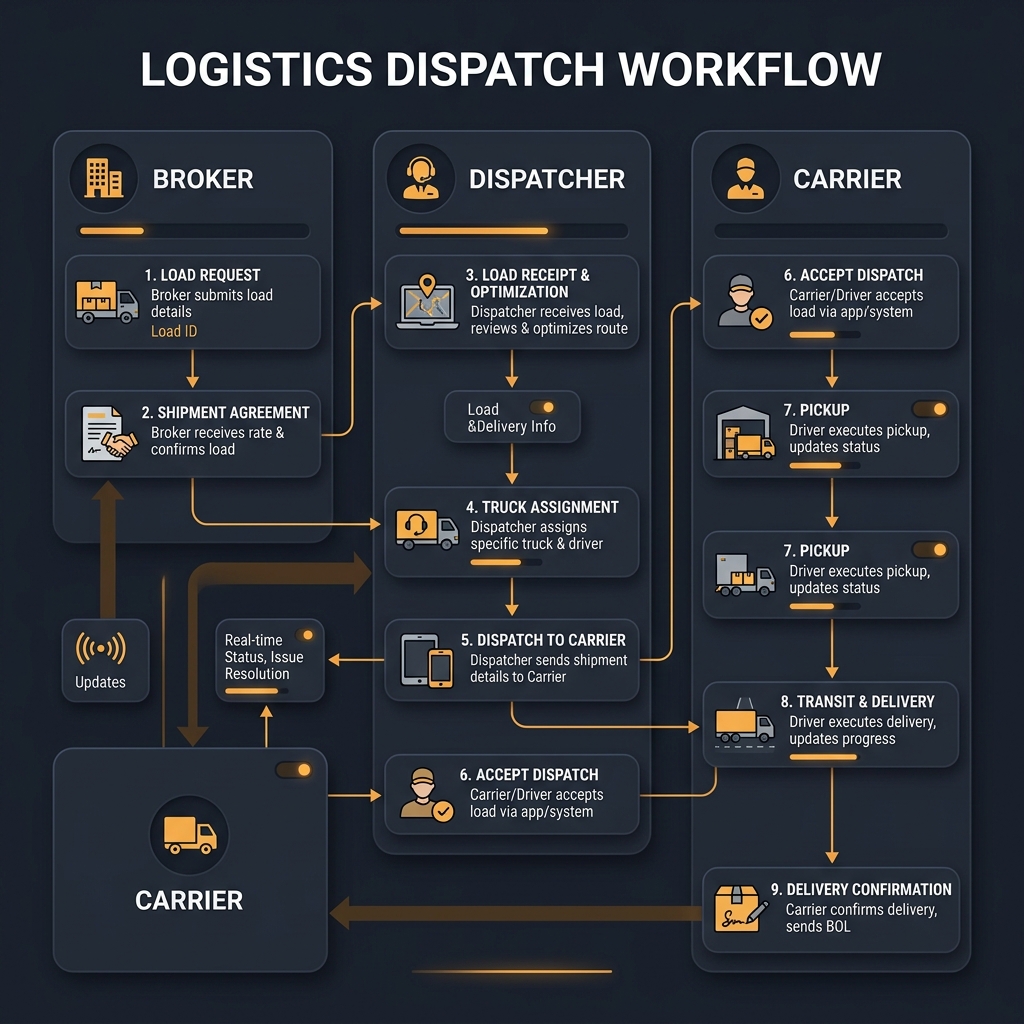
A dispatcher may find and recommend freight, but the carrier should understand who has final authority to approve a load and what the dispatch agreement says about load acceptance. Do not rely only on a verbal statement such as "no forced dispatch."
5. Can I choose my preferred lanes?
You can communicate your preferred lanes and operating areas to a dispatcher, but the exact way those preferences are handled depends on the service arrangement. A high-paying load that takes the truck somewhere you do not want to operate may not be a good load for your business.
6. Can I tell my dispatcher when I need to be home?
Yes, you should communicate home-time requirements before loads are booked. Home time affects which destinations make sense. A load that pays well but leaves the truck far from home immediately before a planned break may not fit your operating plan.
Finding and Negotiating Freight
7. Where do truck dispatchers find loads?
Dispatchers can search freight through sources available to them, including load boards and direct broker or shipper communication, depending on the service and business arrangement. A load board is a source of opportunities, not proof that a load is worth taking.
8. Does a dispatcher negotiate rates with brokers?
Rate negotiation can be part of dispatch work, depending on the service agreement. The dispatcher may communicate with a broker about the carrier's available truck, freight requirements, rate, pickup and delivery details, and other terms. However, negotiation does not mean every broker will agree to a higher rate.
9. Can a dispatcher help plan the next load?
Load planning can include considering where the current load ends and what freight may be available afterward. This matters because the economics of a load do not end when the trailer is empty.
For a deeper look at daily load decisions, see the Texas Owner-Operator Dispatch Guide.
Equipment and Freight
10. Can a dispatcher work with my type of truck and trailer?
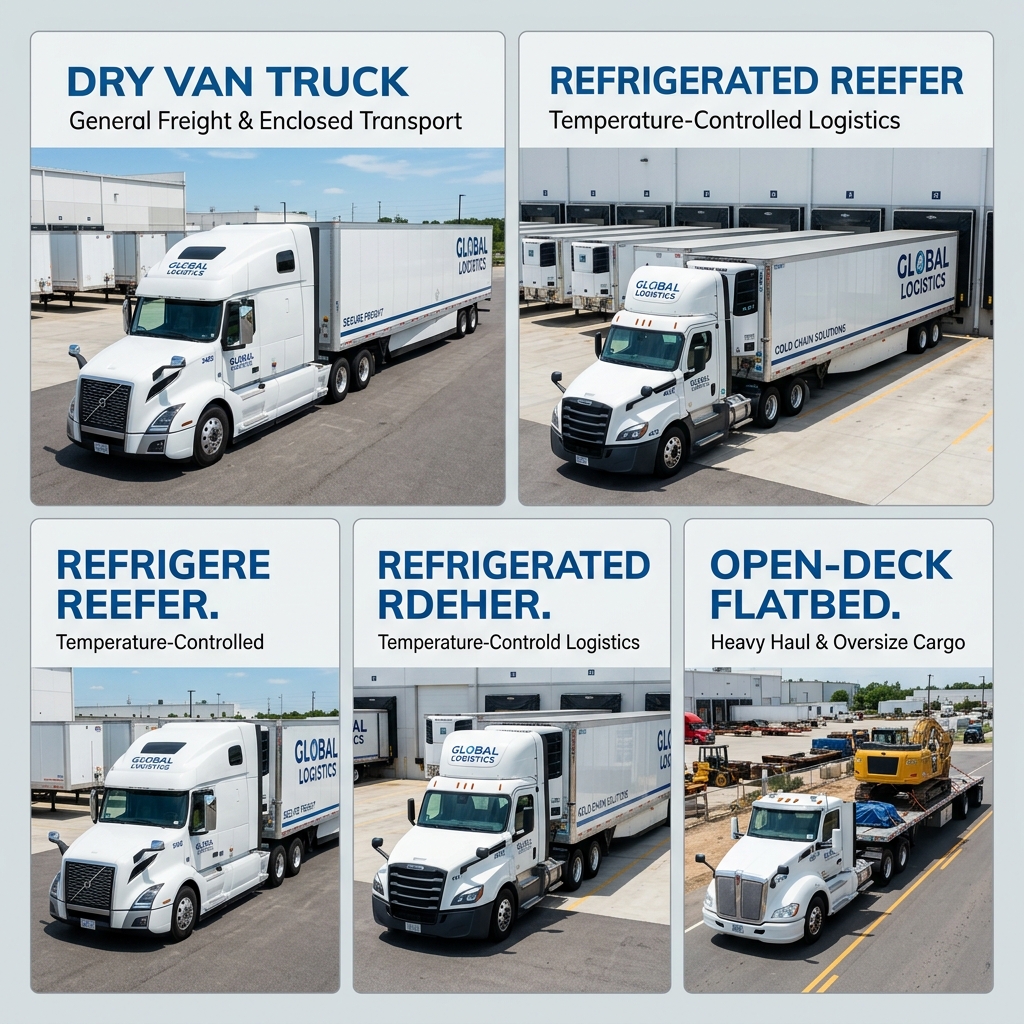
Dispatch needs depend partly on the equipment being dispatched. Bonafide Trucking Solutions' service range covers dry van, reefer, flatbed, hotshot, box truck, power only, step deck, lowboy, and car hauler. Tell your dispatcher exactly what equipment you operate before signing up.
11. Does equipment type affect the loads a dispatcher looks for?
Yes. Equipment affects the type of commodity you can haul, loading requirements, weight and dimensions, available lanes, appointment requirements, permit considerations, and shipper requirements.
12. Can dispatch support specialized equipment such as flatbeds or hotshots?
A dispatch service may support specialized freight, but you should confirm that the dispatcher understands dimensions, weight, securement, and route restrictions. For Texas carriers moving oversized or overweight freight, state requirements from TxDMV can affect how a load legally moves.
Paperwork, Detention and Communication
13. Does a dispatcher handle rate confirmations and load paperwork?
Paperwork support can be part of a dispatch service, but the exact scope depends on the agreement. Before signing up, ask which documents (e.g. rate confirmations, BOLs, PODs) the dispatcher will organize.
14. Who talks to the broker after a load is booked?
That depends on the dispatch arrangement. A dispatcher may communicate with the broker regarding operational details, appointments, documents, and updates covered by the service. The carrier should nevertheless remain aware of all broker contact information and load details.
15. Can a dispatcher help with detention or other accessorial charges?
A dispatcher may assist with communicating about detention, layover, TONU, or other accessorial charges when that work is included in the service. Payment is never guaranteed and is subject to broker approval and carrier record-keeping (arrival times, facility sign-ins, etc.).
Dispatch, Brokerage and Carrier Responsibility
16. What is the difference between a truck dispatcher and a freight broker?
They are not automatically the same thing. FMCSA defines a broker as an intermediary that arranges transportation of property by motor carrier without operating the motor vehicle itself. FMCSA has issued final guidance addressing the activities and definitions that distinguish brokers, bona fide agents, and dispatch services.
17. Does hiring a dispatcher transfer my compliance responsibilities?
No. Using a dispatcher does not mean the carrier can stop paying attention to hours of service (HOS), equipment conditions, permits, registrations, or insurance. The carrier remains legally responsible for safety and compliance.
For a detailed explanation of compliance rules, see the Texas Trucking Laws and Compliance Guide.
18. What should I ask a dispatcher before I sign up?
Ask about pricing structures, cancelation terms, forced dispatch policy, load boards used, paperwork and invoice processing, and accessorial support before signing any broker-carrier dispatch agreement.
For a step-by-step evaluation process, use the questions to ask before choosing a Texas truck dispatch service.
What Should a Texas Carrier Expect From Dispatch Support?
A dispatch arrangement should be clear about what the dispatcher does and what the carrier controls.
If you are ready to discuss dispatch support for your Texas operation, you can contact Bonafide Trucking Solutions at (307) 215-3118 or dispatch@bonafidetruckingsolutions.com. If you want to compare dispatch providers systematically, the Texas guide to choosing a truck dispatch service covers the evaluation process, or you can review truck dispatch support for Texas carriers.
Frequently Asked Questions Summarized
How much does a truck dispatch service cost?
There is no single standard dispatch price for Texas carriers. Dispatch companies may use percentage-based, flat-fee, or per-load arrangements, and the complete fee structure should be clarified before agreeing to service.
Do dispatchers charge a percentage, flat fee, or per-load fee?
All three arrangements can be found in the dispatch market. The important comparison is the total cost and exactly what services are included.
Are setup fees or other charges common?
Additional fees vary by provider. Carriers should ask about setup, cancellation, paperwork, equipment-specific, accessorial, and other charges before agreeing to service.
Do I have to take every load my dispatcher finds?
The carrier should understand who has final authority to approve a load and what the dispatch agreement says about load acceptance. Do not rely only on a verbal statement.
Can I choose my preferred lanes?
Carriers can communicate preferred lanes and operating areas to a dispatcher, but the exact way those preferences are handled depends on the service arrangement.
Can I tell my dispatcher when I need to be home?
Home-time requirements should be communicated before loads are booked because destination and timing affect whether a load fits the carrier's operating plan.
Where do truck dispatchers find loads?
Dispatchers can search freight through sources available to them, including load boards and direct broker or shipper communication, depending on the service and business arrangement.
Does a dispatcher negotiate rates with brokers?
Rate negotiation can be part of dispatch work, depending on the service agreement. Negotiation does not mean a broker will agree to a higher rate.
Can a dispatcher help plan the next load?
Load planning can include considering where the current load ends and what freight may be available afterward, when that type of planning is included in the service.
Can a dispatcher work with my type of truck and trailer?
Dispatch needs depend partly on equipment. Carriers should tell the dispatcher exactly what equipment they operate and confirm that the dispatcher handles that equipment.
Does equipment type affect the loads a dispatcher looks for?
Yes. Equipment affects commodity suitability, loading requirements, dimensions, weight, available freight, appointments, and other operating considerations.
Can dispatch support specialized equipment such as flatbeds or hotshots?
A dispatch service may support specialized equipment, but carriers should confirm that the dispatcher handles their specific equipment and understands its relevant requirements.
Does a dispatcher handle rate confirmations and load paperwork?
Paperwork support can be part of a dispatch service, but the exact scope depends on the agreement. Carriers should ask which documents and administrative tasks are included.
Who talks to the broker after a load is booked?
That depends on the dispatch arrangement. A dispatcher may communicate with the broker regarding operational details, appointments, documents, and changes covered by the service.
Can a dispatcher help with detention or other accessorial charges?
A dispatcher may assist with communicating about detention, layover, TONU, or other accessorial charges when included in the service. Payment is not guaranteed and depends on the underlying load terms and circumstances.
What is the difference between a truck dispatcher and a freight broker?
They are not automatically the same. FMCSA defines a broker as an intermediary that arranges transportation by motor carrier, while FMCSA has separate guidance addressing dispatch services and bona fide agents. The activities and arrangement determine the applicable regulatory treatment.
Does hiring a dispatcher transfer my compliance responsibilities?
A carrier should not assume that hiring a dispatcher transfers its regulatory responsibilities. The carrier should continue to understand and comply with applicable hours-of-service, equipment, permit, registration, insurance, and other requirements.
What should I ask a dispatcher before I sign up?
Ask about pricing, additional fees, load approval, rejected loads, preferred lanes, home time, load sources, rate negotiation, paperwork, accessorials, equipment, cancellation, required carrier information, and which responsibilities remain with the carrier.